Flooded, wrecked, or storm-hit
Flooded, wrecked, and storm-hit cars in Miami
Damaged cars are the normal work here, not the exception a buyer talks himself out of once he sees the water line.
What you get
What you get when the car took damage.
Salt water, a hurricane, or a bad accident. Every buyer in our network specializes in damaged and total-loss cars, so this is the normal work here, not the exception.
-
Salt water is priced properly
How deep it got and how long it sat move the number more than the year or model does. We ask those questions first.
-
Total-loss cars welcome
Kept the car after your insurer totaled it? Bring the total-loss letter and the title and we will price the retained salvage.
-
It does not need to start
Seized, wrecked, or dead. It goes on a flatbed at no cost, and needing a tow does not change the offer we already locked.
-
Nobody gets hurt downstream
A flood car resold to a driver is how people end up sued. Selling it into the salvage channel is the responsible exit.
About this service
Salt water is a different problem than rain
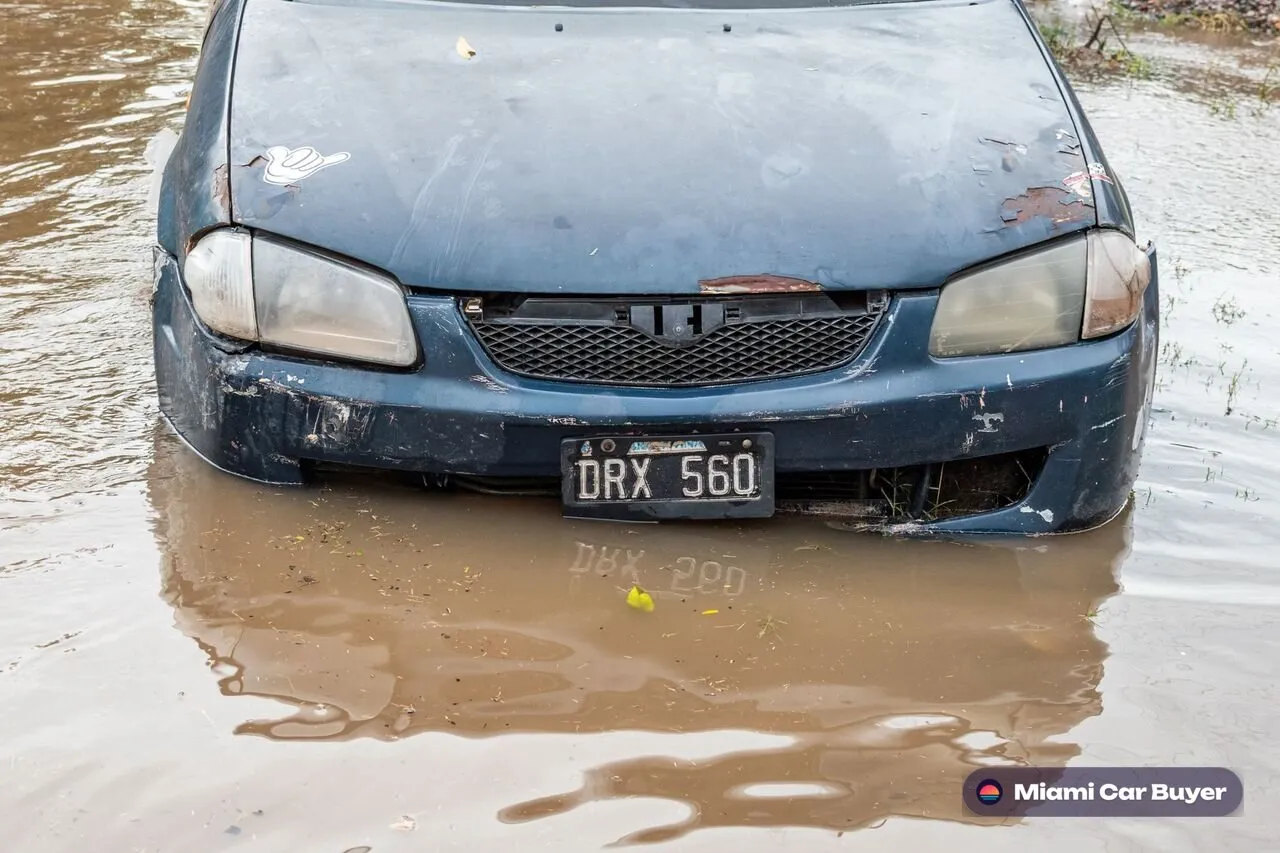
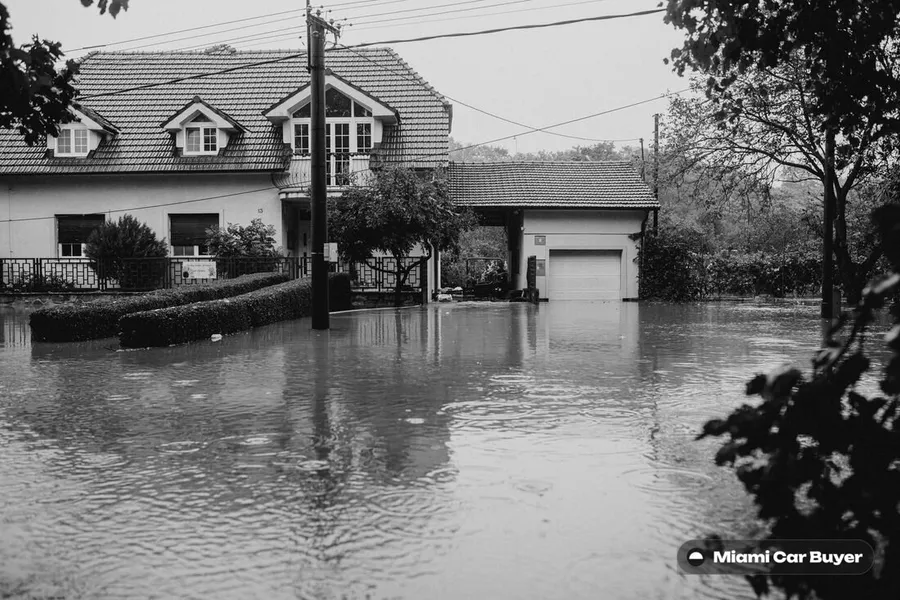
Fresh water flooding is survivable for some cars. Salt water is not, and South Florida flooding is usually salt. It gets into the wiring harness, the control modules, the seat rails, and the seams, and it keeps corroding long after the car looks dry.
That is why the two questions that matter are how deep the water reached and how long the car sat in it. A car that took six inches for an hour and one that sat submerged to the dash overnight are not the same sale, even if they are the same model.
If your insurer already totaled it
When an insurer declares a total loss you can usually choose to keep the car and take a reduced payout, which leaves you holding the salvage value yourself. Plenty of people take that deal without knowing what the salvage is actually worth.
Bring the total-loss letter and the title. We will tell you what the retained car brings, which is the only way to know whether keeping it beat the insurer’s offer. Sometimes it did. Sometimes it did not, and you deserve to hear that plainly.
Why we will not tell you to resell it yourself
A flood car can be cleaned up to look fine and drive fine for a few months. Selling one to a private buyer without disclosure is both illegal and the kind of thing that follows you afterward, because the electrical failures show up later and the buyer traces the car back.
Selling into the salvage channel ends the car’s life as transportation. That is the point, and it is why a licensed salvage dealer is the correct buyer for a car that took water.
Straight answers
Questions we get on this every week.
Where is the best place to sell a damaged car?
A buyer who specializes in damage, not a general trade-in lot or a private listing. Dealership trade-ins often lowball anything with a flood or salvage title, and private buyers get spooked by disclosure requirements. We route damaged cars to buyers in our network who price salt water, wrecks, and total-loss vehicles every week, so you get a real number instead of a reflexive discount.
How do I get the most money for a damaged car?
Disclose the damage honestly upfront rather than letting a buyer discover it at pickup, which is when lowballing happens. Keep the total-loss letter or any insurance paperwork, since it documents the story instead of leaving a buyer to guess. Get more than one offer if you have time, and pick a buyer who prices the specific damage rather than applying a blanket discount for anything water- or wreck-related.
Will you buy a car that sat in salt water?
Yes. Salt water flooding is common here after a storm surge and we price those cars every week. Tell us how deep the water got and how long it sat, because both change the number more than the year or model does.
My insurer called it a total loss. Can I still sell it to you?
Yes, if you kept the vehicle. Many owners retain a totaled car and take the salvage value themselves. Bring the total-loss letter and the title, and we will tell you whether keeping it beat the insurer payout.
Is a flood car worth anything at all?
Almost always something. Even a car that will never drive again carries parts value and scrap weight, and the drivetrain on a late-model flood car can be worth real money. What it is not worth is a private-sale listing, because reselling a flood car to a driver is how people get sued.
Do you need the car to start?
No. Wrecked, seized, and dead-battery cars all get picked up on a flatbed at no cost to you. Nothing about the car needing a tow changes the offer we already locked in.